Lessons from living through a multi-phase renovation as both architect and homeowner
This week’s episode of the EntreArchitect Podcast is something different.
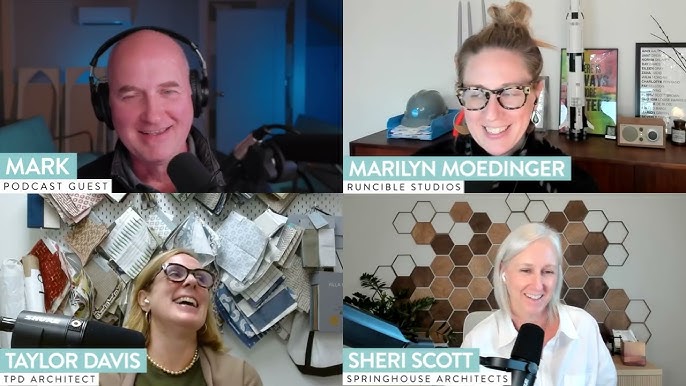
Instead of our regular focus on business strategy, firm leadership, and practice management, I’m sharing a replay of a guest appearance I made on Home: The Second Story Podcast. In that conversation, I was not the host. I was the homeowner.
My friends, Taylor Davis, Sheri Scott, and Marilyn Moedinger, invited me to share the story of a house my wife, Annmarie, and I renovated over many years, beginning with a neglected 1934 cottage in Westchester County, New York. What followed was a long, phased renovation shaped by limited budgets, growing family needs, unexpected surprises, and a deep sense of responsibility to the building itself.
It is personal. It is honest. And it is very different from what we usually talk about here.
Seeing Opportunity Where Others See a Tear-Down
When Annmarie and I first walked into that house, it was not charming in any obvious way. It was cluttered, dirty, moldy, and untouched for decades. Most buyers would have turned around.
What we saw instead was original plaster, crown molding, fireplaces, hardware, proportions, and craftsmanship that simply do not exist anymore. It was a time capsule that had survived precisely because it had been neglected.
That ability to see potential through the mess is something architects do instinctively. It is also one of the greatest advantages architects bring to homeowners. We do not just see what a house is today. We see what it could become.
That perspective allowed us to buy a home in a neighborhood we otherwise could not afford. It also placed us in the role of stewards, not just owners.
Renovation Is Rarely One Project
One of the biggest takeaways from this story is that real renovations are rarely a single event.
Our house went through three major phases over many years. First came making it livable and healthy. Then came a significant addition and systems upgrade. Only later did we finish the kitchen and dining room the way we truly wanted.
This is how many real homeowners live. Budgets are finite. Life keeps moving. Kids are born. Businesses are started. Priorities shift.
Phasing is not about drawing imaginary lines around parts of a house. It is about strategic planning. You design the whole vision upfront, then execute it in thoughtful stages so each phase supports the next.
If you are advising homeowners, this is where your value is immense. A well-conceived master plan can save years of frustration and tens of thousands of dollars.
Finish Enough to Live Well
Living in constant construction takes a toll.
We finished spaces enough to be comfortable, even when they were temporary. Painted walls. Basic trim. Functional kitchens. Livable bathrooms. We did not live on plywood floors for years waiting for the perfect moment.
That approach matters. Life goes fast. Homes should support living, not delay it.
Later, when we were ready, we replaced the temporary with the permanent. Because the plan was already there, those transitions were intentional, not reactive.
This is an important lesson for homeowners and architects alike. Perfection delayed too long becomes a burden.
Living Through Construction Is Not Romantic
One of the most practical lessons from this episode is simple.
Do not live in a house when the roof is coming off.
We tried. It lasted one rainstorm.
Living through major renovations slows contractors down, increases costs, and adds stress no one needs. Even experienced architects underestimate this when it is their own project.
If the structure is open to the weather, move out. It will cost less in the long run and save your sanity.
Systems Matter More Than Finishes
When budgets are tight, it is tempting to prioritize visible finishes over invisible systems.
We did the opposite.
HVAC, plumbing, electrical, insulation, and structural upgrades came first. Kitchens and millwork waited.
Homeowners do not show off new wiring at dinner parties. But those systems are what make a house comfortable, safe, and durable. Replacing them later is always more expensive and more disruptive.
If you are planning a renovation, address everything inside the walls while they are open. You will never regret it.
Be Honest About Money
One of the strongest messages I share in this episode is about budget honesty.
Architects are not trying to spend your money for the sake of it. We are trying to allocate it wisely. When clients hide financial capacity, projects suffer.
If you have flexibility, say so. If you have a ceiling, mean it.
Renovations always include contingency. Not as a safety net you hope not to use, but as money you will spend on something you cannot see yet. That reality should be acknowledged upfront, not discovered mid-construction.
Stewardship Changes Everything
We never viewed ourselves as owners in the traditional sense. We saw ourselves as caretakers in a much longer story.
That mindset guided every decision. Materials. Proportions. Craft. Investment level.
We wanted the house to survive us. To resist the next developer. To earn its place in the neighborhood for another generation.
That sense of stewardship is something residential architects understand deeply. Homes are not disposable. They carry memory, labor, culture, and identity.
When homeowners share that perspective, projects change for the better.
What I Would Do Again
I would phase again.
I would prioritize systems again.
I would invest in planning again.
I would finish spaces enough to live well again.
And I would still take on an old, overlooked house with good bones and a good soul.
Why This Episode Matters
This conversation is not about business tactics or firm growth.
It is about empathy. About understanding what homeowners live through. About remembering what it feels like to make hard tradeoffs, live with unfinished spaces, and trust the long view.
If you work with residential clients, this episode will resonate. If you are a homeowner considering a renovation, it may change how you approach it.
You can listen to the full episode here: https://entrearchitect.com/642
It is a reminder that architecture is not just what we design. It is how we live.
This was a pleasure to read as an architect. The balance between professional insight and personal experience comes through clearly.